A healthy, green lawn needs more than regular watering and mowing. The right fertilizer can provide essential nutrients that help grass develop strong roots, maintain rich color, and recover from everyday stress. Marathon grass fertilizer is commonly associated with caring for Marathon grass varieties, particularly warm-season lawns that need balanced nutrition throughout their growing period. Choosing and applying the right fertilizer correctly can make a noticeable difference in lawn appearance and long-term health.
Understanding Marathon Grass
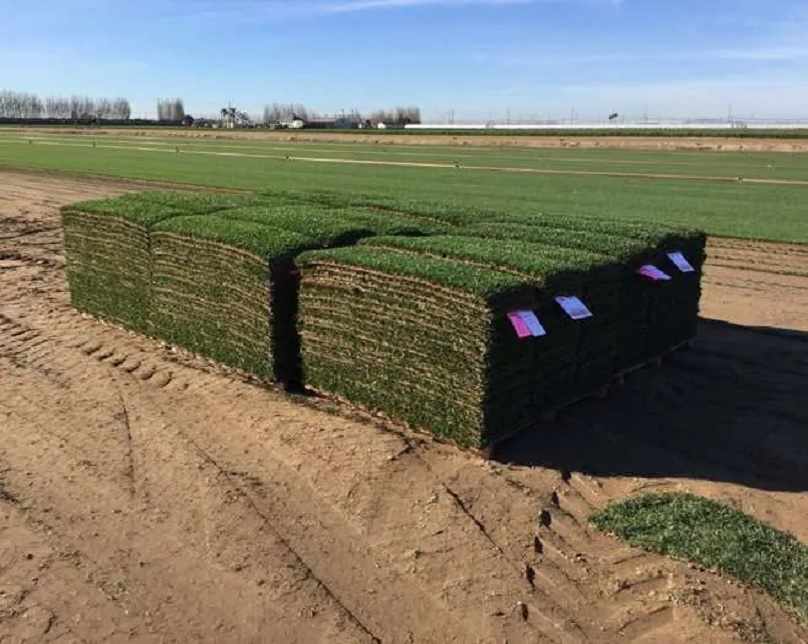
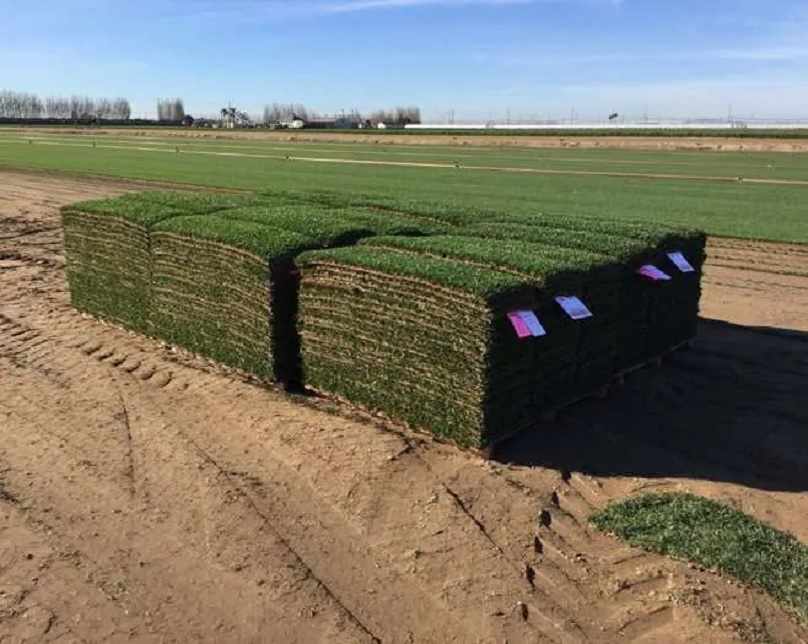
Marathon grass is a popular lawn type valued for its dense growth, attractive green appearance, and ability to create a soft, uniform lawn. Like other grasses, it requires nutrients such as nitrogen, phosphorus, and potassium to grow effectively. However, fertilizer requirements can vary depending on soil conditions, grass age, climate, and seasonal growth.
Nitrogen is particularly important for encouraging healthy leaf development and maintaining a vibrant green color. Potassium supports overall plant strength and can help grass handle environmental stresses. Phosphorus primarily supports root development, although established lawns may not require large amounts unless soil testing indicates a deficiency.
Why Fertilizer Matters for Marathon Grass
Regular fertilization can help replace nutrients that grass naturally uses during active growth. Without sufficient nutrients, a lawn may become thin, pale, or slow to recover from mowing, foot traffic, heat, or other stresses.
A suitable Marathon grass fertilizer can support several important aspects of lawn health:
Promotes Healthy Green Growth
Nitrogen helps stimulate leaf production and can give properly fertilized grass a deeper, healthier green appearance. Applying the appropriate amount is important because excessive nitrogen can encourage rapid growth and create additional maintenance requirements.
Supports Strong Roots
A well-nourished lawn needs a strong root system. Healthy roots help grass access water and nutrients from the soil and contribute to better establishment and overall resilience.
Improves Lawn Density
Proper nutrition combined with suitable mowing, watering, and sunlight can encourage thicker turf. Dense grass can also reduce the available space for many common weeds to establish.
Choosing the Right Fertilizer
When selecting fertilizer, examine the product’s N-P-K numbers. These three numbers represent nitrogen, phosphorus, and potassium. For an established lawn, the ideal ratio depends on soil conditions and the specific grass variety.
A soil test is one of the best ways to determine which nutrients your lawn actually needs. Instead of automatically choosing a high-nitrogen product, homeowners can use test results to make a more informed decision.
Slow-release fertilizers can also be useful because they gradually provide nutrients over time. This may reduce the risk of excessive growth and nutrient loss compared with applying large quantities of fast-release fertilizer.
When and How to Apply Fertilizer
Timing matters when fertilizing Marathon grass. Fertilizer is generally most useful when the grass is actively growing and can absorb the available nutrients. Avoid applying fertilizer during periods when the lawn is dormant unless the product label specifically recommends it.
Before application, mow the lawn according to the recommended height for the grass variety and ensure the soil has adequate moisture. Use a calibrated spreader to distribute granular fertilizer evenly. Uneven application can produce stripes, patches, or areas of excessive growth.
Always follow the manufacturer’s application rate. More fertilizer does not necessarily mean a healthier lawn. Overfertilization can damage grass, contribute to nutrient runoff, and create unnecessary maintenance problems.
Combine Fertilization With Good Lawn Care
Fertilizer works best as part of a complete lawn-care routine. Regular mowing at the correct height, appropriate watering, good soil management, aeration when necessary, and monitoring for pests can all contribute to healthier Marathon grass.
Water deeply and appropriately rather than constantly keeping the surface saturated. Mowing with sharp blades can also reduce unnecessary stress on grass plants.
Final Thoughts
Using the right Marathon grass fertilizer can help maintain a greener, denser, and healthier lawn when combined with proper watering, mowing, and soil care. The best fertilizer choice depends on the grass variety, growing conditions, and nutrient levels in the soil. Testing the soil, following product instructions, and avoiding excessive applications are practical ways to achieve better results. With consistent care and appropriate nutrition, Marathon grass can develop a strong appearance and remain attractive throughout its active growing season.


Write a comment ...